
I’ve died more times in Returnal Girl than I care to admit.
You’re probably stuck in the same loop I was. You make progress, feel like you’re getting somewhere, then get wiped out and start over. It’s brutal.
The game doesn’t explain much. You’re supposed to figure out which builds work and which ones get you killed. Most players give up before they crack the code.
I didn’t give up. I spent hundreds of hours testing different strategies and character builds. I died a lot. But I learned what actually works.
This guide shows you how to break through the difficulty wall. I’ll walk you through the combat mechanics that matter and the specific builds that turn you from prey into predator.
No vague tips about “getting better” or “learning patterns.” I’m giving you the exact strategies and build combinations that work.
You’ll learn which abilities to prioritize, how to approach each biome, and what synergies actually make a difference in your runs.
The game stops feeling random once you understand the systems. That’s what this guide does for you.
Decoding the Core Mechanics: More Than Just a Game of Chance
You know what drives me crazy?
When people write off Returnal as just another punishing roguelike where you die and lose everything.
I see it all the time. Players quit after a few runs because they think death means starting from zero. They feel like the game is wasting their time.
But that’s not how it works at all.
Here’s what most guides won’t tell you. The Echo system isn’t there to punish you. It’s the whole point. Every time you die, you’re not losing progress. You’re banking it.
The two resource types matter more than your skill level. Fragments are what you collect during a single run. They disappear when you die (and yeah, that stings at first). But Memoria? That’s permanent. That’s what actually builds your character over time.
Some players say you should just focus on getting better at combat and the resources will come naturally. They think grinding for Memoria is boring.
I disagree.
Playing returnalgirl taught me that knowing which resource to farm completely changes how you approach each biome. You can be the best shooter in the world and still hit a wall if you’re not managing your permanent upgrades.
The procedural generation isn’t random chaos either. Each biome has tells. Certain room layouts signal secret areas nearby. Fabrication stations tend to spawn in specific zone types. Once you learn to read the patterns, you stop wandering aimlessly.
And Anomalies? Those glowing events everyone avoids because they look scary?
They’re your fastest path to power. High risk, sure. But the rewards can turn a mediocre run into something special.
Character Builds & Playstyles: Finding Your Perfect Loadout
I died seventeen times to the same boss before I figured it out.
I kept trying to force the same aggressive playstyle I’d used in the first biome. Rush in, dodge at the last second, unload everything I had. It worked great until it didn’t.
That’s when I realized something. Returnal doesn’t care about your preferred playstyle. The game gives you what it gives you.
Your job? Make it work.
Some players say you should restart runs if you don’t get the right artifacts early. They argue that playing returnalgirl old version without your ideal loadout is a waste of time.
But here’s what I learned the hard way. The best players don’t have a single build. They adapt.
Let me show you three core approaches that actually work.
The ‘Stalker’ Build (High-Risk, High-Reward)
This is all about speed and precision.
You want artifacts that boost critical damage and keep you moving. Serrated Rounds is your best friend here. Pair it with anything that increases proficiency gain and you’ll shred through enemies before they know you’re there.
The catch? You can’t get hit. One mistake and you’re back at the ship.
I run this build when I’m feeling confident. When my dodges are clean and I know the enemy patterns cold.
The ‘Aegis’ Build (Sustain & Survive)
This saved me more times than I can count.
Focus on shield generation and damage mitigation. Kinetic Plating and Repair Core are your foundation. Stack anything that gives you protection integrity or reduces incoming damage.
It’s not flashy. But when you’re learning a new boss, this build lets you survive long enough to figure out the patterns.
You trade damage output for staying power. Worth it when you’re still learning.
The ‘Technomancer’ Build (Control the Battlefield)
This one surprised me.
I never thought deployables would be that useful. Then I watched my turret tear through a room while I focused on dodging.
The key is synergy. Certain mods make your deployables apply status effects. Pair that with consumables that boost status damage and you’re controlling the entire fight.
You’re not the main damage dealer anymore. You’re the conductor.
How to Adapt on the Fly
Here’s the truth about playing returnalgirl. RNG doesn’t care about your plans.
You wanted Serrated Rounds but got a bunch of shield artifacts instead? Don’t restart. Pivot to Aegis and play defensive.
Got a weird mix of deployables and critical damage mods? Find the overlap. Maybe you run turrets to draw aggro while you land crits from safety.
The runs where I had to improvise taught me more than the perfect ones ever did.
Watch what the game gives you in the first few rooms. If you’re getting health items and protection, lean tank. If you’re swimming in damage mods, go aggressive.
Don’t fight the RNG. Use it.
Advanced Combat Systems: Mastering the Roguelike Dance
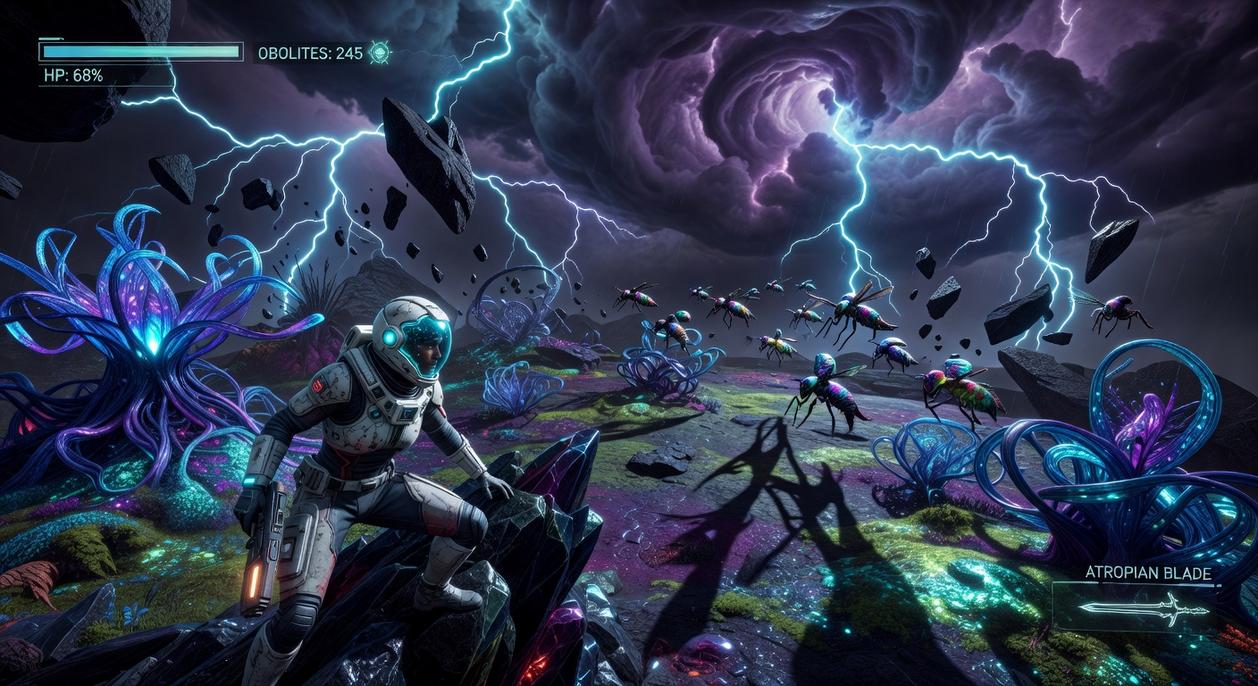
You’ve died to the same room three times now.
I know because I’ve been there too. You walk in confident and thirty seconds later you’re watching Selene collapse again.
The problem isn’t your reflexes. It’s your approach.
Most players treat Returnal’s combat like a typical shooter. Point, shoot, dodge when things get hairy. But that’s not how you survive here.
Some people argue that combat in roguelikes is mostly about luck. Get the right weapon drops and you win. Get bad RNG and you’re toast. They say skill only takes you so far.
But that’s missing the point entirely.
Sure, good drops help. But I’ve watched players with god-tier weapons get shredded in Biome 3 because they don’t understand threat priority. Meanwhile, others clear the same rooms with basic gear because they know exactly what to target first.
Know What Kills You First
Here’s what changed everything for me.
Stop shooting whatever’s closest. Start identifying who’s making the room dangerous.
Healers will undo all your work. Snipers will chip you down from across the map. Summoners will flood the arena until you can’t move. These enemies don’t care about your DPS. They care about controlling the fight.
I take them out first. Always.
The drones can wait. That melee rusher charging at you? He’s loud but he’s not the real problem. Find the enemy making everyone else stronger and delete them.
Once you start playing Returnal this way, rooms that felt impossible suddenly open up.
The Phase Dash isn’t just a panic button either. Those invincibility frames (the brief moment where you can’t take damage) let you do things that seem reckless.
Projectile wall coming at you? Dash through it. Reposition behind that sniper while you’re invincible. I’ve cleared entire attack patterns by timing my dash to pass straight through them instead of running away.
It feels wrong at first. Your instinct says move back, create space. But moving forward through danger? That’s often the safer play.
Stack Your Traits Smart
Now let’s talk about weapon synergies because this is where what age is suitable for returnalgirl game becomes less about survival and more about domination.
Traits aren’t just nice bonuses. The right combinations turn decent weapons into room clearers.
Take Ricochet with Explosive Rounds. Alone, each trait is fine. Together? Your bullets bounce between enemies and explode on every hit. One shot becomes five explosions.
Or try Leech Rounds with high fire rate weapons. You’re healing faster than most enemies can damage you.
I look for these combos every run. A weapon with one good trait is okay. A weapon with two traits that multiply each other? That’s what carries you through Biome 5.
The environment matters too but most players ignore it completely.
That red barrel isn’t decoration. Shoot it when enemies cluster nearby. Those stone pillars? They block projectiles. I use them to split enemy groups so I’m never fighting everyone at once.
Verticality wins fights. Get above your enemies and half their attacks can’t reach you. I grapple to high ground whenever possible, especially against melee-heavy waves.
You’re probably wondering what comes next after you nail these basics. How do you handle the really tough encounters where even perfect play feels barely enough? That’s where understanding build optimization and artifact selection becomes critical, but that’s a whole different conversation.
For now, focus on threat priority and aggressive dashing. Those two changes alone will get you further than any weapon drop.
Optimizing Replay Value: Making Every Run Count
You beat Returnal once and think you’re done?
Not even close.
I remember finishing my first clear and sitting there thinking “okay, what now?” Then I noticed the Overload system had changed everything.
Here’s what happens after that first victory.
The game doesn’t just get harder. It gets smarter. Overload modifiers stack on each run, tweaking enemy patterns and loot drops in ways that force you to rethink your entire approach.
The stuff you ignored before? You need it now.
Some players say replaying the same biomes gets stale. That once you’ve seen Crimson Wastes a few times, there’s no point going back.
But they’re missing the whole point of playing returnalgirl.
The real game starts when you begin hunting for lore fragments. I was talking to another player last week who said “I thought I understood the story until I found the sunface fragments in Biome 4.” Those hidden encounters don’t just appear randomly. You need specific artifacts to trigger them.
Pay attention to the audio logs. They’re not just background noise. They tell you where to look.
For veterans who want more bite, challenge runs keep things interesting. I’ve tried starting weapon only runs (brutal but satisfying) and no artifact clears (which I don’t recommend unless you hate yourself).
Then there’s speedrunning.
You don’t need to be a pro to borrow their strategies. Watch how they move through Echoing Ruins. Notice which rooms they skip entirely and which malfunctions they actually want.
The fastest clears aren’t about perfect aim. They’re about knowing exactly what you need and what you can ignore.
Every run teaches you something new if you’re paying attention.
Break the Cycle, Forge Your Legend
You came here stuck in a loop. Dying over and over with no clear path forward.
Now you have the framework to actually beat this thing.
Returnal Girl throws a lot at you upfront. The difficulty feels unfair when you don’t understand what’s happening. But here’s the truth: it’s not about luck. It’s about knowledge.
Once you know how the systems work, everything changes. The RNG stops feeling like punishment and starts feeling like possibility. Every run becomes a chance to build something powerful.
I’ve shown you three builds that work. The Stalker turns you into a close-range assassin. The Aegis makes you nearly unkillable. The Technomancer lets you control the battlefield.
Pick one.
Commit to it for your next run. Don’t just grab random artifacts and hope for the best. Build with intention. Watch how fast things click into place.
The game respects preparation. When you walk into a room knowing your build and how to execute it, those same enemies that wrecked you before become manageable.
Your next run starts now. Choose your build and see what focused strategy actually does.