
If you’re diving into Returnal, you’re likely searching for more than surface-level tips—you want to understand how the systems really work. From deciphering rng vs skill balance to mastering combat flow, character builds, and long-term progression, this article is built to help you make smarter decisions every run.
Returnal’s roguelike structure can feel punishing without a clear grasp of its core mechanics. Randomized biomes, weapon traits, parasites, and artifacts constantly shift your strategy. The key is knowing what you can control, what you can influence, and how to adapt when the game pushes back.
We’ve analyzed gameplay systems, community-tested strategies, and high-level play patterns to break down what truly impacts survival and performance. You’ll learn how to optimize builds, refine movement and combat efficiency, and increase replay value through intentional experimentation.
Whether you’re stuck in a biome or aiming to perfect your runs, this guide will help you approach each cycle with clarity and confidence.
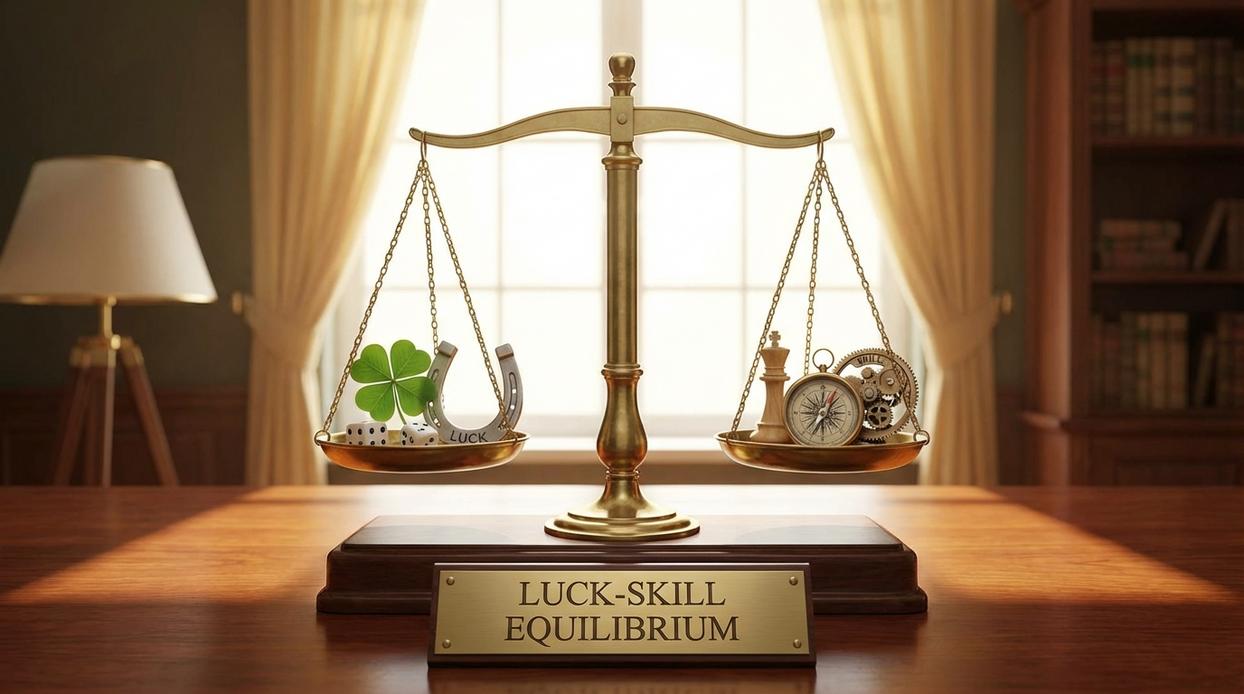
Games are kitchens: RNG is the unpredictable spice, while skill is the chef’s technique. Too much pepper and dinner is chaos; too little, and it’s bland. That’s the rng vs skill balance players feel instinctively.
However, randomness—outcomes decided by hidden algorithms—keeps fights fresh, like shuffling a deck before every hand. Skill, meanwhile, is your learned timing, positioning, and strategy. When either dominates, frustration follows.
Consider:
- Roguelikes remix levels, demanding adaptation.
- Esports titles minimize variance, rewarding precision.
Therefore, sweet spot feels like surfing a wave: luck provides momentum, but mastery keeps you upright. Pro tip: track patterns, not outcomes.
What do we actually mean when we argue about rng vs skill balance?
RNG (Luck) isn’t just chaos; it’s a calibrated design lever. Developers use Random Number Generation to create uncertainty with boundaries—controlled unpredictability that shapes tension, pacing, and replayability. In practice, it appears as:
- Procedural generation: dungeon layouts shifting each run in Hades
- Loot drops: rarity tables in Diablo deciding whether you get junk or jackpot
- Probability-based combat: critical hit chances or status effects triggering at set percentages
That’s not laziness; it’s math wrapped in drama (and occasionally, heartbreak).
Skill, by contrast, is the player’s capacity to bend those systems. It shows up in:
- Mechanical skill: aiming, timing, animation canceling
- Strategic depth: build crafting, resource routing, risk assessment
- Knowledge: pattern recognition, enemy tells, meta understanding
Here’s what many critics miss: RNG doesn’t erase skill; it redistributes it. Mastery means adapting to variance, not eliminating it. A veteran player mitigates bad rolls through positioning, economy control, or smarter pathing. The real edge isn’t perfect luck—it’s decision-making under imperfect information. That’s the competitive layer most discussions overlook.
When systems are tuned well, randomness becomes a skill amplifier, separating reactive players from proactive planners who prepare for multiple possible outcomes. Consistently so.
The Thrill of Chaos: When RNG Creates Replayability
RNG—Random Number Generation—is the invisible dungeon master behind every great roguelike. It determines item drops, enemy layouts, map paths, and even boss encounters. In games like Returnal and Slay the Spire, this controlled chaos ensures no two runs ever feel identical. One playthrough hands you a god-tier weapon early; the next leaves you scraping by with scraps (humbling, but memorable).
Some players argue that too much randomness undermines skill. They prefer tightly designed, predictable challenges where mastery means perfect repetition. That’s fair—precision platformers thrive on that formula. But roguelikes chase something different: adaptation over memorization.
The core benefit is replay value. RNG prevents static, solvable loops. If every run followed the same pattern, players would “solve” the game once and move on. Instead, unpredictability forces improvisation.
Here’s how to thrive in high-RNG systems:
- Assess early drops quickly. Build around what the game gives you, not what you hoped for.
- Commit to synergy. In Slay the Spire, stacking poison cards beats mixing random archetypes.
- Preserve flexibility. Leave upgrade paths open until your build direction is clear.
This is where rng vs skill balance becomes crucial. The real skill isn’t flawless dodging (micro-skill); it’s long-term decision-making—choosing relics, routes, and upgrades that compound over time. That’s macro-skill.
In Returnal, adapting weapon traits to biome-specific threats often matters more than twitch accuracy. (Yes, aim helps—but smart loadouts win runs.)
If you’re curious about the psychology behind this loop, explore what makes roguelike combat systems so addictive: https://returnalgirl.com/what-makes-roguelike-combat-systems-so-addictive/
RNG doesn’t erase mastery. It redefines it.
The Pursuit of Mastery: Where Skill Is King
Step into the esports arena and one thing becomes clear: excuses don’t respawn. In competitive shooters like Valorant or fighting games like Street Fighter, victory hinges on execution, timing, and decision-making—not a lucky dice roll hiding behind the curtain.
First, let’s define RNG (random number generation): systems that introduce unpredictability, like random loot drops or crit chances. In skill-dominant titles, RNG is deliberately minimized. For example, Valorant weapons use fixed spray patterns. Learn the recoil, control the recoil. Miss your shots? That’s on you, not the gaming gods. Similarly, in Street Fighter, frame data (the precise timing of moves measured in animation frames) determines what’s safe or punishable. There’s no mystery box—just mastery.
This design philosophy fuels competitive integrity. In a fair system, the better player wins consistently over time. Sure, critics argue that a little randomness keeps things exciting. They’re not wrong—chaos can be fun (Mario Party has entered the chat). However, in high-stakes competition, too much unpredictability erodes trust. If outcomes feel arbitrary, improvement feels pointless.
That’s where the grind comes in:
- You practice mechanics until muscle memory takes over.
- You study matchups and adapt in real time.
- You see measurable improvement—and it’s addictive.
Importantly, this rng vs skill balance defines player psychology. The satisfaction isn’t just winning; it’s knowing why you won. Every clutch moment reflects deliberate growth.
And honestly, landing a perfect combo after weeks of practice? That’s not luck. That’s you leveling up in real life—no patch notes required.
Some games chase pure mastery, others embrace chaos. The magic happens in the middle. Tactical RPGs like XCOM drop you onto rain-slick battlefields where every footstep crunches under alien fire. You line up a 75% shot and feel your pulse in your ears. When it misses, it stings—yet smart positioning and overwatch traps soften the blow. Skill cushions the fall.
Meanwhile, card games like Hearthstone shuffle with a satisfying snap. The topdeck glows, the crowd gasps in your headset, and suddenly the match flips. Still, that drama was seeded earlier through careful deck-building and probability math. You prepared for surprise.
This rng vs skill balance works because it feeds two cravings. First, agency: the sense that your choices matter. Second, uncertainty: the electric jolt of not knowing. Together, they create clutch moments you’ll replay in your head.
However, not everyone agrees. Some players want chess-like purity; others crave slot-machine fireworks. So, ask yourself: do you enjoy adapting mid-fight when plans crumble, or refining one perfect rotation? Pro tip: track which losses feel “fair” versus frustrating. That emotional aftertaste points toward your next favorite game. When mechanics click, the controller feels warm and possibility hums beneath your fingertips late at night.
Finding the Sweet Spot
We’ve established that the balance between luck and skill is intentional, not accidental. It fuels tension. After all, a flawless run shattered by randomness stings, while a perfectly predictable match quickly grows dull. However, when you understand the rng vs skill balance, frustration turns into insight. You recognize why roguelikes feel electric and competitive shooters feel fair. Importantly, you gain an edge. You can adapt builds, manage risk, and lean into mechanics instead of fighting them. For example, treating randomness like weather—uncontrollable but readable—helps you plan smarter routes. Next time, dissect and adapt strategically and wisely.
Master the Loop and Take Control
You came here to understand how to push further, build smarter, and survive longer—and now you have a clearer path forward. From tightening your core mechanics to refining character builds and adapting to the rng vs skill balance, you’re better equipped to turn chaotic runs into calculated victories.
The real frustration with roguelikes isn’t difficulty—it’s feeling like progress is random. But when you recognize patterns, optimize your playstyle, and make deliberate build decisions, each run becomes meaningful. Losses turn into data. Setbacks become strategy.
Now it’s your move. Put these combat adjustments and build optimizations into action on your next run. Focus on consistency, track what works, and refine your approach every loop.
If you’re tired of stalled progress and wasted runs, dive deeper into advanced strategy breakdowns and replay optimization insights from the #1-rated source for dedicated players who want real improvement—not guesswork. Start sharpening your next build today and take control of your climb.