

If you’re searching for clear, actionable insights to level up your gameplay, you’re in the right place. This article breaks down the latest game buzz, core mechanics, and smart strategies that actually make a difference once you’re in the arena. Whether you’re experimenting with new character builds, mastering roguelike combat systems, or trying to optimize replay value, you’ll find focused guidance designed to improve both performance and consistency.
We analyze gameplay systems, community trends, and high-level play patterns to separate hype from mechanics that truly matter. Instead of surface-level commentary, you’ll get practical breakdowns you can apply immediately—refining your playstyle, sharpening decision-making, and maximizing each run.
You’ll also discover how these mechanics connect to long-term growth, including skill refinement and esports career development pathways for competitive players aiming to turn mastery into opportunity. Let’s dive into what actually moves the needle.
Beyond the screen lies a MULTI-BILLION-DOLLAR industry that looks a lot like traditional sports—just powered by pixels. Many gamers assume the only viable path is going pro. That’s understandable; star players get the spotlight. But the ecosystem runs on far more than reflexes. Teams need managers, shoutcasters, analysts, event producers, marketers, and engineers. I’ll admit, exact job growth numbers can be murky depending on the title and region, but the demand is real. Consider:
• STRATEGY
• Production
• Community
This is where esports career development becomes practical. Start by volunteering at events, building content, or studying broadcast tools (small steps compound). The arena is bigger than it looks.
Frontline Careers: The Infrastructure Behind the Players
When most people think about competitive gaming, they picture the player clutching a final round. However, the real engine sits behind the screen.
Coaching and Analytics goes far beyond calling plays. It involves data analytics (the systematic study of performance statistics), VOD review, and performance optimization—fine-tuning decision-making based on measurable trends. For example, a coach might track ability cooldown usage across 50 matches to identify inefficient patterns. Just as in “Moneyball,” numbers often reveal what highlight reels miss. In addition, strong coaches understand player psychology, helping competitors reset after losses (tilt is real).
Meanwhile, Team Management and Operations keeps everything functional. This includes contract negotiation, scrim scheduling, travel logistics, and conflict resolution. Without structured operations, even talented rosters collapse under disorganization. If you’re exploring esports career development, this is often an accessible entry point because organizational skills transfer well from traditional industries.
Finally, Player Health and Wellness focuses on longevity. Burnout—chronic physical or mental exhaustion—can shorten careers dramatically. Sports psychologists build resilience routines, nutritionists optimize energy levels, and physical therapists prevent repetitive strain injuries. Pro tip: structured sleep schedules improve reaction time measurably (Harvard Medical School).
In short, championships aren’t accidental. They’re engineered.
Creating the Spectacle: Broadcast and Content Production Roles
Behind every jaw-dropping esports moment is a team turning raw gameplay into a polished spectacle. If you’ve ever wondered what’s in it for you, here’s the upside: these roles blend creativity, strategy, and real-time problem-solving into careers that directly shape how millions experience competition.
On-Air Talent (Casters and Hosts)
First and foremost, on-air talent are the storytellers. Casters (live commentators who narrate and analyze matches in real time) and hosts translate split-second decisions into clear, exciting narratives. This requires deep game knowledge, quick thinking, and charisma. Think of them as the sports analysts of the digital age—part strategist, part entertainer (and sometimes part stand-up comic when the lobby crashes).
The benefit? You build a personal brand while sharpening communication skills that transfer into media, marketing, and beyond. Moreover, mastering live analysis trains you to process complex systems quickly—a valuable asset in esports career development.
Live Production Crew
Meanwhile, the live production crew ensures everything runs seamlessly. Observers control the in-game camera, replay operators capture defining moments, and audio engineers balance soundscapes so every ultimate ability lands with impact. Without them, the “epic” play might go unseen.
In return, you gain high-level technical expertise in broadcasting tools, teamwork under pressure, and event logistics—skills applicable to film, television, and live event production.
Content Creation and Social Media
Finally, content creators extend the story beyond the match. Highlight reels, player documentaries, and social clips build emotional connection and brand loyalty. For a deeper look at preparation behind the scenes, explore how pro gamers train for high stakes tournaments.
Ultimately, these roles don’t just capture the spectacle—they create opportunity.
Building the Industry: The Business and Administrative Backbone
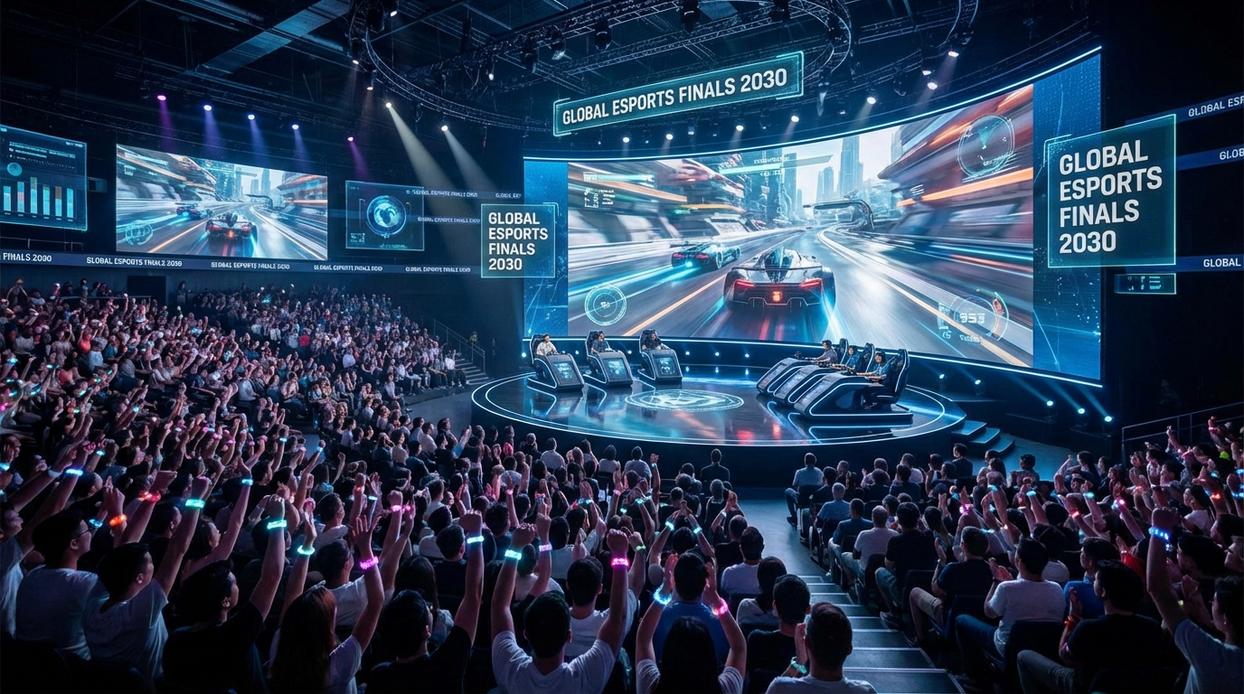
Behind every sold-out arena and viral highlight clip is a powerful business engine. If you’re exploring esports career development, these roles offer something incredibly valuable: stability, scalability, and real influence over the future of competitive gaming.
Marketing and Sponsorships
This is the financial heartbeat of esports. Marketing professionals secure brand deals, manage cross-platform campaigns, and turn tournaments into global spectacles. Think Red Bull sponsoring events or luxury brands designing team jerseys—those partnerships don’t happen by accident. The benefit? You gain experience in global branding, digital strategy, and revenue generation (skills that transfer well beyond gaming).
Event Management
From local LAN tournaments to packed stadium finals, event managers coordinate venues, ticketing, staffing, and live broadcasts. When everything runs smoothly, fans barely notice—and that’s the point. The upside for you:
- Hands-on logistics expertise
- High-visibility leadership experience
- Networking with teams, sponsors, and media
It’s intense work, but seeing thousands of fans cheer in unison is a payoff few industries can match.
League and Tournament Operations
These professionals design rulebooks, manage brackets, and protect competitive integrity. Without them, chaos would reign (and Twitter would explode). The reward? You shape fair play standards and build systems that can scale internationally.
Data Science
Data scientists analyze viewership trends, player stats, and engagement metrics to guide smart decisions. Teams use this insight to refine strategies and grow audiences. For you, that means developing analytical expertise in a fast-growing digital sector—where data truly drives victory.
Leveling Up: The Skills and Pathways to Your Esports Career
I still remember volunteering at a tiny local tournament where the prize pool was barely enough for pizza. I wasn’t playing—I was editing highlight clips on Adobe Premiere between matches. That weekend taught me more about esports career development than any online course.
Essential Hard Skills
- Video editing (Adobe Premiere)
- Graphic design (Photoshop)
- Data analysis (Excel, SQL)
- Project management tools
Crucial Soft Skills
- Communication
- Networking
- Adaptability
- Problem-solving (the meta always shifts)
Start small: build a portfolio, post strategy breakdowns, connect on LinkedIn, and say yes to scrappy gigs.
Your Next Quest: Launching a Sustainable Esports Journey
The esports industry isn’t just about going pro as a player. It’s a full ecosystem—a network of interconnected roles—spanning management, broadcast production, sponsorship sales, analytics, and tech support. Think of it like a raid team: not everyone is the damage dealer (and that’s a good thing).
The real obstacle? The “player-or-nothing” mindset. That belief limits talented people who could thrive behind the scenes.
Instead, focus on esports career development by identifying your transferable skills—marketing, operations, editing, coding—and applying them strategically. Research roles, connect with professionals, and build a small project that proves your value.
As you transition from amateur to professional in the competitive world of esports, understanding the nuances of gameplay can significantly enhance your skills, much like how maximizing replay value in single-player games can deepen your overall gaming experience – for more details, check out our How to Maximize Replay Value in Single-Player Games.
Level Up Your Next Run
You came here to sharpen your edge—understand the mechanics, master smarter builds, and get more out of every roguelike run. Now you know how tighter combat decisions, optimized playstyles, and strategic rerolls can dramatically improve both your consistency and your long-term progression.
The real frustration was never difficulty—it was wasted runs, unclear build paths, and feeling like progress depended more on luck than skill. With the right strategies, you turn chaos into control and every defeat into forward momentum.
The next step is simple: apply one optimized build, focus on one mechanical improvement per run, and track what actually increases your survivability and damage output. Small refinements compound fast.
If you’re serious about mastering roguelike systems and even exploring esports career development, don’t grind blindly. Get proven strategies, meta breakdowns, and replay-optimization insights trusted by competitive players. Start refining your runs today and turn every reset into real progress.